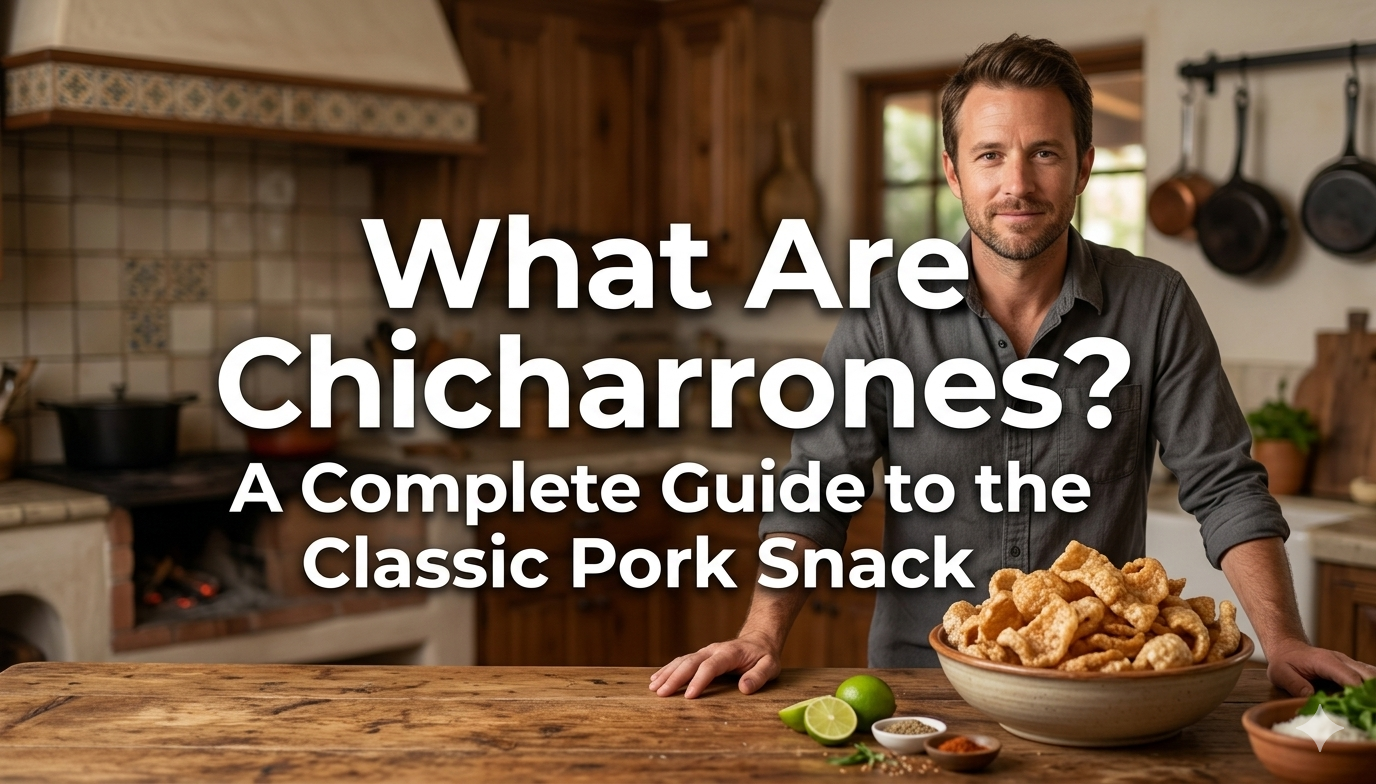
If you’ve ever picked up a bag at the grocery store and wondered what exactly chicharrones are, you’re not alone. They sit next to potato chips and jerky, sometimes labeled in Spanish, sometimes in English, sometimes both. A snack with centuries of history is turning up in more places than ever.
For anyone who has never tried them, chicharrones can look unfamiliar. Crispy. Puffy. Golden.
Sometimes labeled “pork rinds,” sometimes “cracklings,” sometimes using the Spanish term unchanged. The names overlap, the styles differ by country, and the category itself has quietly earned a place in the modern low-carb, high-protein conversation.
Most grocery stores stock a bag or two, usually flavored with chile lime or sea salt. For a wider range of regional styles and flavor profiles, specialty online retailers carry much broader selections. The Porkrinds chicharrones collection is one example, stocking traditional Mexican and Puerto Rican versions that rarely make it onto mainstream shelves. That availability matters, because what gets called “chicharrones” varies a lot depending on where you’re from.
What Are Chicharrones, Exactly?
At the simplest level, chicharrones are fried pork. That one-line answer hides a lot of variation.
In some traditions, chicharrones are made from just the skin: pork skin that’s been rendered and fried until it puffs up into an airy, crispy piece. In other traditions, the snack is made from pork belly, which brings a layer of meat and fat along with the skin. A few regional styles use rib cuts, pork loin, or even chicken in the case of chicharrón de pollo.
The name comes from the Spanish verb “chicharrar,” meaning to fry until crispy. The word is onomatopoeic, imitating the sizzle the pork makes as it hits hot fat.
A Snack With Spanish Roots and Latin American Branches
Chicharrones trace back to Andalusia in southern Spain, where rendering pork fat and frying what remained was a practical way to use every part of the pig. The Encyclopedia.comentry on Latin American and Caribbean cuisine describes how chicharrones crossed the Atlantic with Spanish colonizers and took root across Latin America and the Caribbean, where local ingredients and cooking styles shaped regional versions.
Today, chicharrones are part of the traditional cuisines of Mexico, Colombia, Peru, Cuba, the Dominican Republic, Puerto Rico, Ecuador, El Salvador, Venezuela, and more. They’re also staples in the Philippines, where they’re called “chicharon,” a word borrowed during the Spanish colonial period.
Regional Styles Are Genuinely Different
The chicharrón you grew up eating probably doesn’t look like the one someone a few countries away grew up with. A quick sketch of the most common styles:
Mexican chicharrones are usually pork skin only, light and airy, served with salsa, lime, chile powder, or all three. Street vendors sell them in paper cones with hot sauce drizzled over the top.
Puerto Rican chicharrones often include pork belly, making them chunkier and denser than pork-skin-only versions. Vinegar-based marinades are common.
Colombian chicharrón is traditionally pork belly, cut thick, served alongside beans, rice, and plantains in the dish known as bandeja paisa.
Filipino chicharon uses pork skin (or sometimes chicken skin), highly seasoned, typically dipped in a spiced vinegar sauce.
Spanish chicharrones, particularly in Andalusia, are closer to pork belly preserved in its own rendered fat, sliced thin, and served as a tapa.
Each version is the “real” one depending on where you’re standing.
Chicharrones vs. Pork Rinds: Is There a Difference?
Yes and no.
In the United States, “pork rinds” usually refers to just the skin, fried until it puffs up into a light, airy piece. “Chicharrones” often means the same thing when sold in American supermarkets. In many Latin American traditions, though, the word refers to snacks that include pork belly or other cuts, bringing meat and fat into the mix.
Looking at a pack, the easiest way to tell: if it’s all crunchy, airy, almost-shattering texture, it’s closer to the American pork-rind style. If there’s a layer of chewy meat attached to a crisp outer shell, it’s closer to traditional chicharrón de carnitas.
What They Taste Like
Savory. Salty. A bit smoky depending on the cut and the cooking method.
Skin-based chicharrones are light and crisp, almost delicate. The texture is airy, closer to a puffed snack than a dense chip. Pork belly versions are heavier, richer, and more of a small meal than a snack. Regional seasonings change the experience significantly: chile lime brings bright acidity, and adobo keeps things classic; sweet or smoky varieties exist too, though they’re less traditional.
The Nutrition Angle Behind Their Comeback
Part of why chicharrones have returned to the conversation comes down to their macro profile. A typical one-ounce serving of skin-based chicharrones carries around 17 grams of protein and close to zero carbs, which fits cleanly into keto, paleo, and similar eating patterns.
That protein is largely collagen. Harvard’s Nutrition Source describes collagen as the most abundant protein in the body, providing structure for skin, tendons, joints, and connective tissue. Dietary collagen has been studied for potential support of skin elasticity and joint comfort, though research is still developing. Collagen is also considered an incomplete protein, meaning it doesn’t supply all nine essential amino acids on its own. Pairing chicharrones with a complete protein source rounds out the amino acid profile.
There’s a saturated fat component worth noting too. Chicharrones aren’t a low-fat snack, and portion size matters. Quality varies significantly between brands. The better ones carry shorter ingredient lists, fewer artificial flavorings, and pork sourced from smaller farms with clearer sourcing information.
What to Look For on the Package
Not every bag is equal. A few signs you’ve picked a solid one:
- Short ingredient list: pork skin, salt, and seasoning are the classic setup
- No MSG, artificial colors, or over-processed flavor blends
- Clear information about the source of the pork
- A reasonable sodium level per serving
Traditional versions tend to have fewer ingredients. Commercial chip-style versions sometimes load up on seasoning blends that mask the underlying product. Neither is wrong. They’re different categories aimed at different occasions.
How People Actually Eat Them
Straight from the bag is the most common answer. Chicharrones also work well as a crunchy topping for chili, soup, tacos, and grain bowls. Crushed into crumbs, they make a strong low-carb breadcrumb alternative for chicken or fish, holding up better than most store-bought keto crumbs.
In Latin American kitchens, they show up in mofongo in Puerto Rico, inside pupusas in El Salvador, and as a garnish on menudo and pozole in Mexico. A lot of their versatility in traditional cooking hasn’t fully crossed over into American snacking culture yet, which leaves room for creativity.
They also fit a few practical moments a lot of packaged snacks don’t. Great for hosting on a charcuterie board, easy snacking at the desk, and something that travels well without needing refrigeration.
Frequently Asked Questions
Are chicharrones gluten-free?
Traditional chicharrones made from pork skin, salt, and seasoning are naturally gluten-free. Some flavored commercial varieties contain added ingredients that may include gluten, so checking the label matters for anyone with celiac disease or gluten sensitivity.
What’s the difference between chicharrones and cracklings?
“Cracklings” is more commonly used in the American South, often referring to pork belly pieces fried in their own fat. “Chicharrones” is the broader Spanish-language term that covers a range of regional styles.
Are chicharrones keto-friendly?
Skin-based chicharrones contain close to zero carbohydrates and a meaningful amount of protein, which makes them a common pick on ketogenic and low-carb eating plans. Pork belly versions include more fat but still sit within typical keto macros.
How should chicharrones be stored?
Unopened bags are shelf-stable and don’t need refrigeration. Once opened, keeping the bag sealed and dry preserves the crunch. Humidity is the main enemy.
Can chicharrones be part of a balanced diet?
For people who eat meat and are mindful of portion and sodium, chicharrones can fit into a balanced eating pattern, particularly when paired with fiber-rich foods, vegetables, and complete protein sources. They’re not a standalone nutritional answer, but they’re a reasonable addition to the snack rotation.
A Snack Worth Understanding
Chicharrones aren’t new. They’ve been around for centuries, spreading from Spain to Latin America to the Philippines to the American South, shaped by whatever local ingredients and seasoning traditions each region had to offer.
What is new is the volume at which they’re showing up in American supermarkets, in keto-focused marketing, and on cheeseboards at dinner parties that would have served chips a decade ago. The category is broader than most snack aisles suggest, and the regional differences are worth paying attention to.
For anyone curious, the lighter, puffed versions are usually the easiest place to start. From there, trying a few regional styles side by side is the best way in. A Mexican chili lime bag. A Puerto Rican pork belly version. A traditional Spanish one if you can find it. The differences are real, the flavors are distinct, and the history behind each runs deeper than most snacks on the shelf.